The world's only producer of

ICL Boulby and Teesdock
The Home of Polysulphate
We are the UK's deepest mining operation and the worlds first and only producer of the multi-nutrient fertiliser Polysulphate

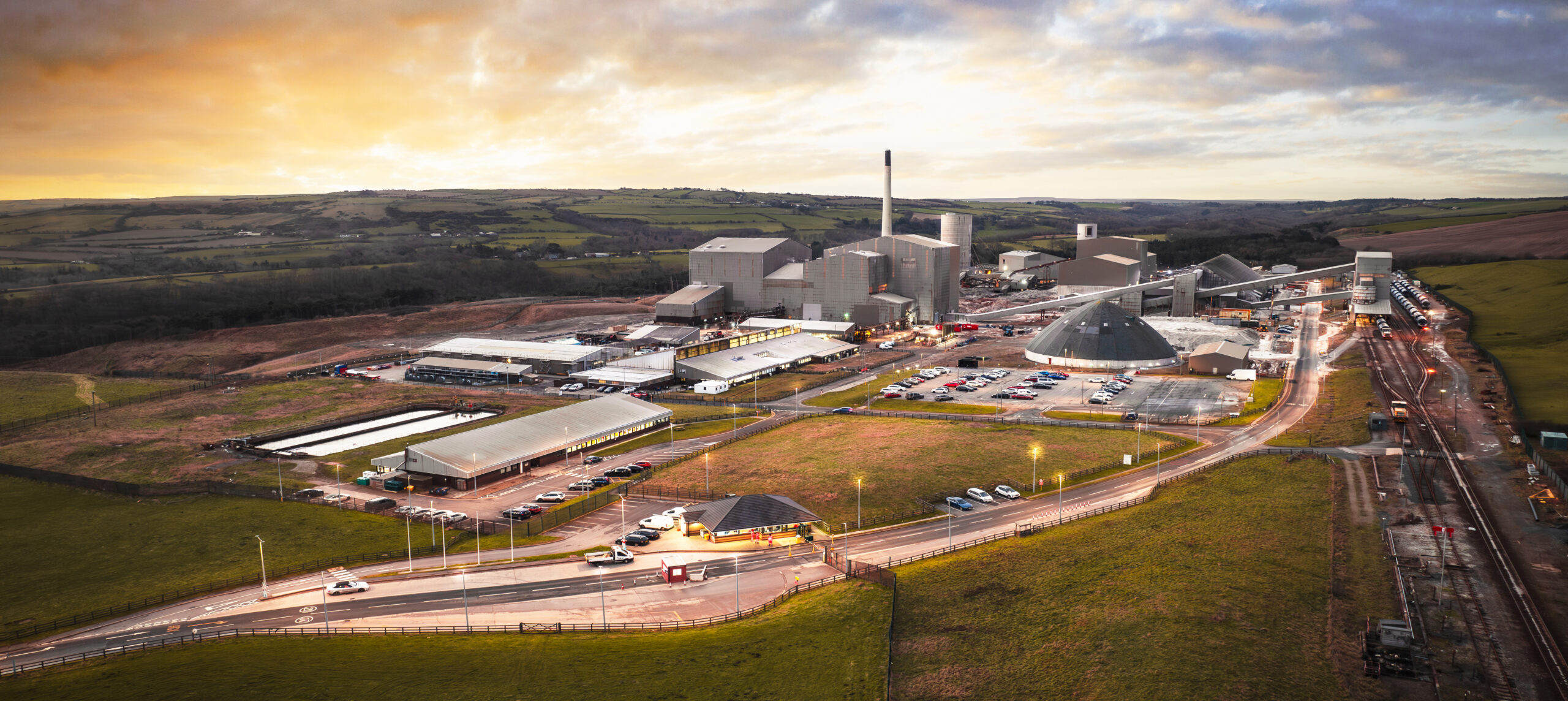
ICL Boulby Mine is an underground mining operation and processing facility located along the North Yorkshire coastline. We are the world’s first and only producer of the multi-nutrient, low-carbon fertiliser, Polysulphate. 

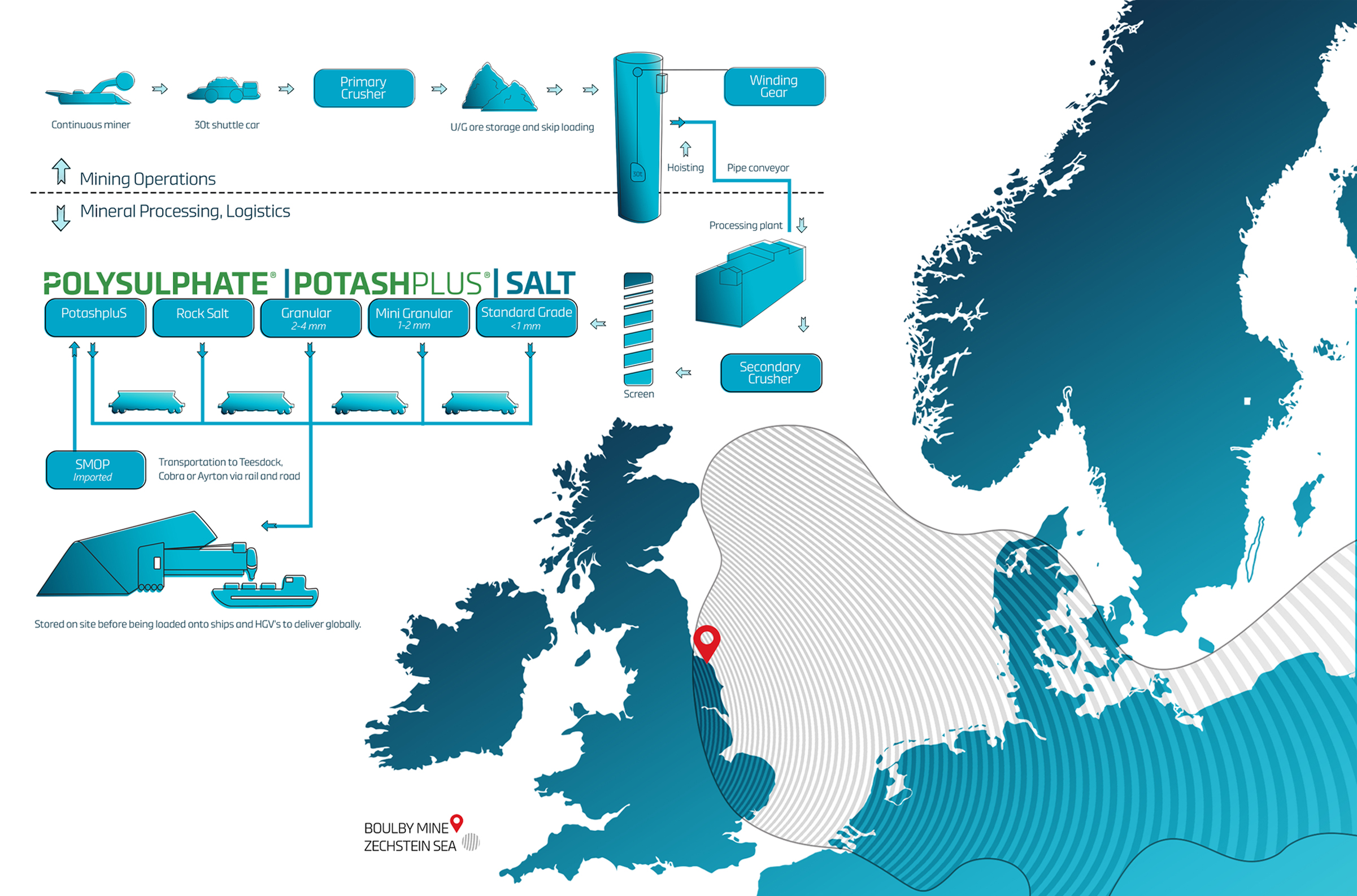
The 260-million-year-old raw mineral deposited by an ancient sea called the Zechstein Sea, polyhalite, is extracted from 1,300 meters beneath the Earth’s surface and distributed worldwide from our Teesdock Terminal.

Since the discovery of polyhalite in 1999, we have been committed to expanding the Polysulphate market through continuous research into its potential. Polysulphate and Rock Salt is mined, refined and distributed through our deep sea terminal at Teesdock.

ICL Boulby is proud to be the largest employer in East Cleveland, committed to supporting our workforce and playing a vital role in the local and regional economy. We actively contribute to the community through financial donations and volunteer efforts with local groups.

Media Hub
Keep up to date with the news and events from ICL Boulby and Teesdock
Our People
Senior Leadership Team
Q&A
What is Polysulphate?

Polysulphate is a multi-nutient fertiliser and is is produced from a natural mineral called polyhalite, which is an evaporite mineral containing sulphur, potassium, calcium and magnesium.

How deep is Boulby Mine?

Boulby mine is between 1,100 and 1,400 meters deep, making it the deepest mine in the UK.

What else does Boulby mine?

As well as polyhalite, rock salt is extracted to be used in animal feed and to de-ice the roads of Great Britain.

What is the Boulby Underground Laboratory?

Boulby Underground Laboratory is the UK’s deep underground science facility located 1.1km below ground. ​Run by STFC (Science and Technology Facilities Council) the science ranges from Particle Physics and Ultra-Low Background science, Earth and Environmental science, Biology / Astrobiology, Planetary Exploration Technology Development and more. ​