
Boulby Mine
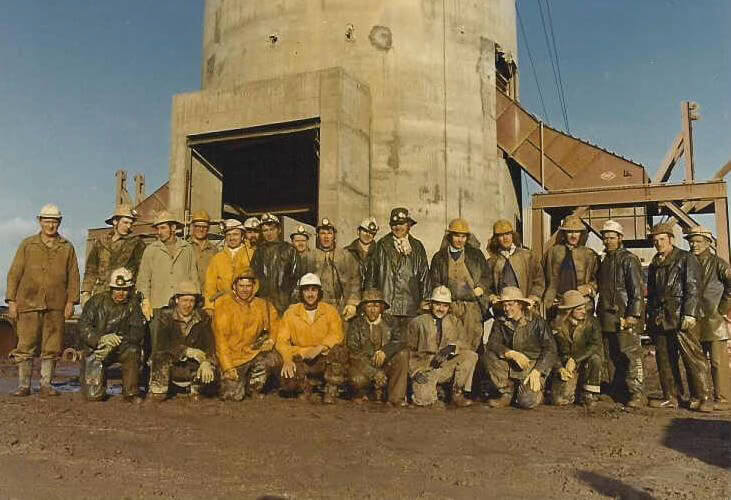
Boulby Mine
Through Time
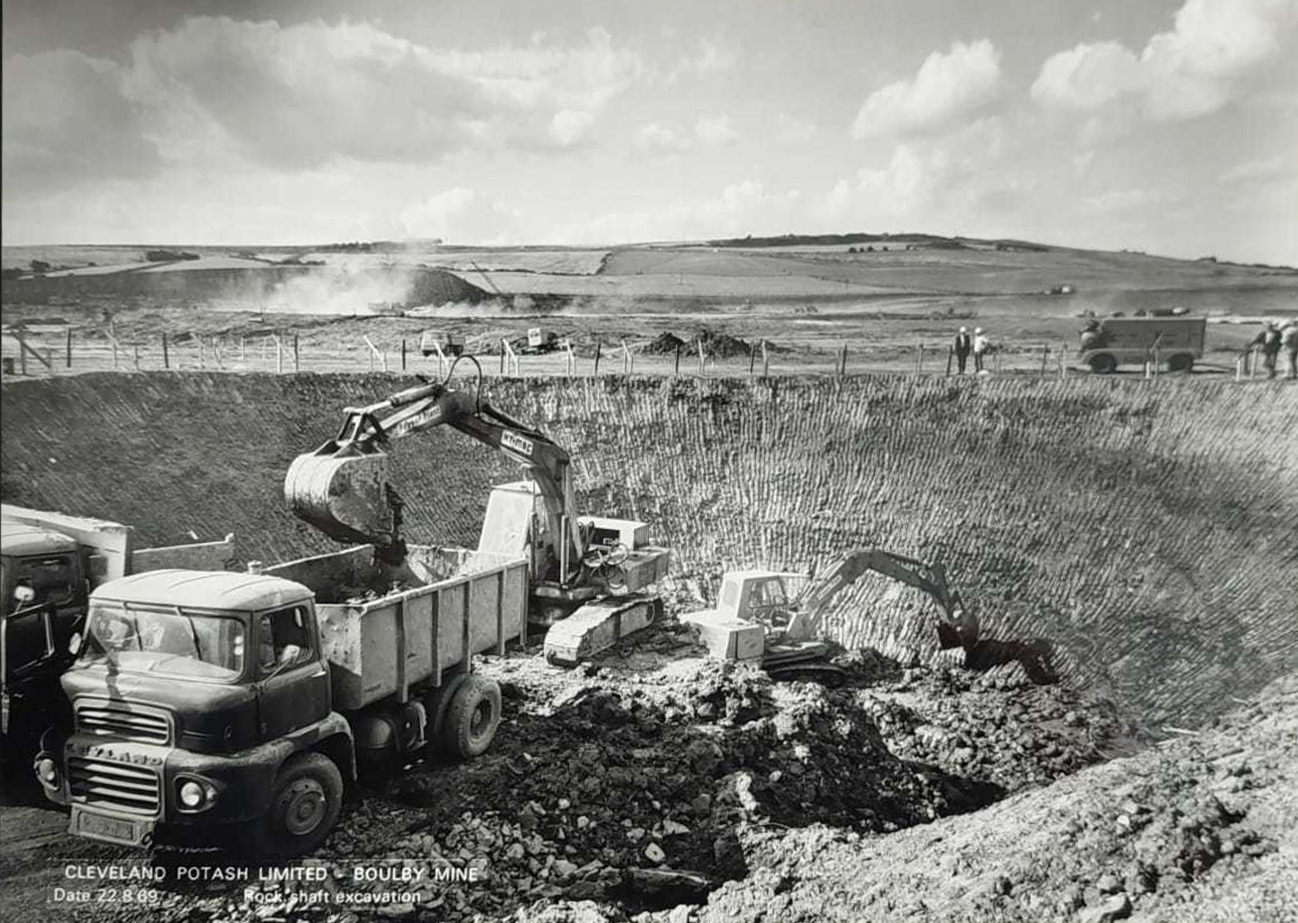
Initially, Cleveland Potash Ltd received planning permission after a thorough public inquiry, allowing for the underground extraction of valuable minerals—potash and salt—across an expansive area of approximately 8,200 hectares, stretching from Brotton into the scenic North York Moors National Park. This pivotal moment paved the way for the establishment of essential infrastructure, including buildings, machinery, and processing plants that support the underground operations. The transformation of Boulby Mine into the facility we recognise today began in 1969 with the construction of two significant mine shafts, marking the start of an innovative journey in mineral extraction that continues to contribute to the region’s economy and industry.
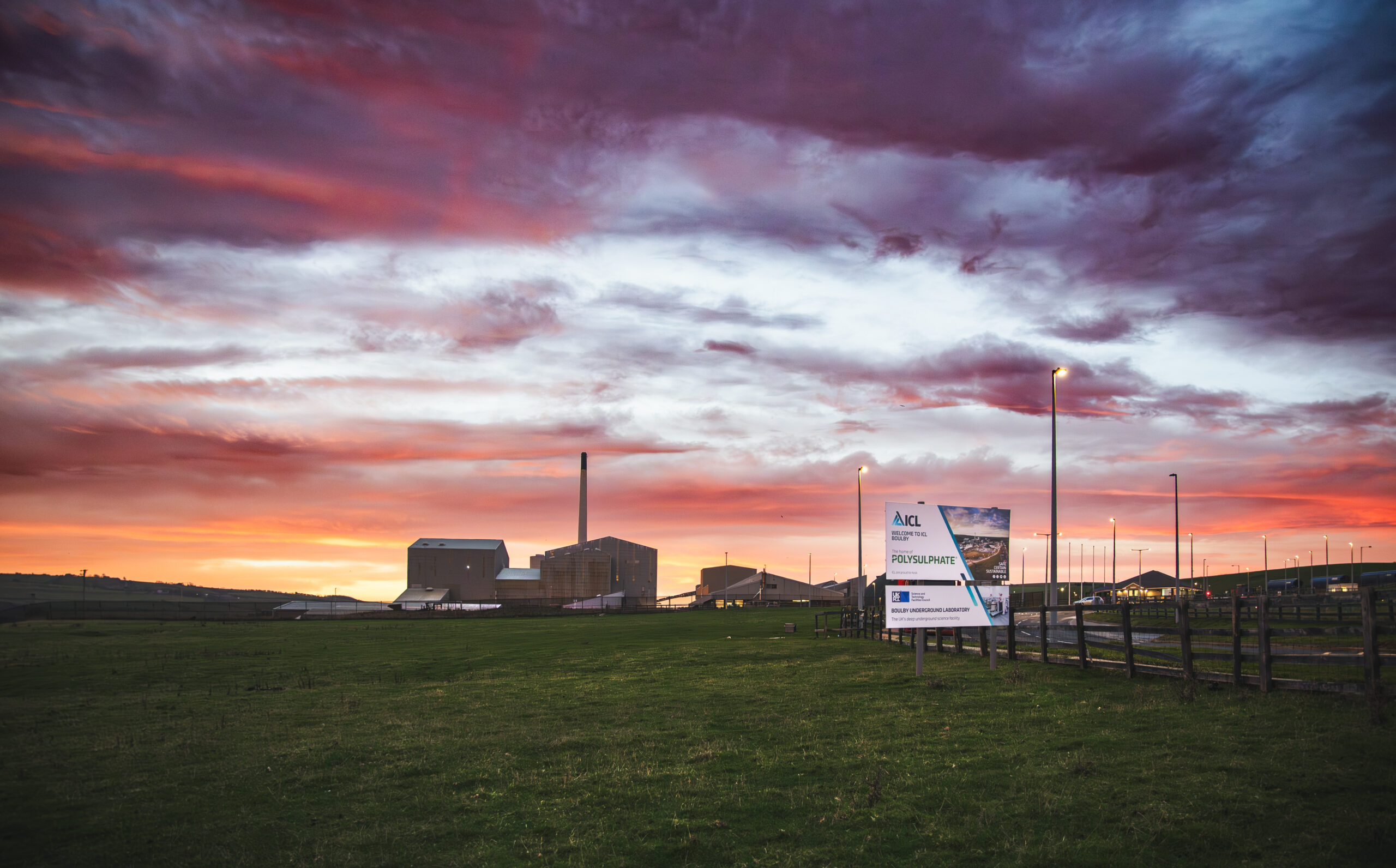
Boulby Mine began exploring polyhalite in 1999 and successfully reached the seam in 2010 through advanced mining methods. Potash mining operations ended in 2018, establishing ICL Boulby as the world’s first and only polyhalite mine. By 2023, a groundbreaking one million tonnes of polyhalite were mined and processed in a record-breaking year.
Polyhalite, potash and rock salt was deposited around 260 million years ago. Boulby was situated on the edge of a broad, shallow ocean called the Zechstein Sea. At that time the prevailing hot and dry conditions meant the sea evaporated quicker than it could be re-filled, leaving behind the polyhalite that we mine today.
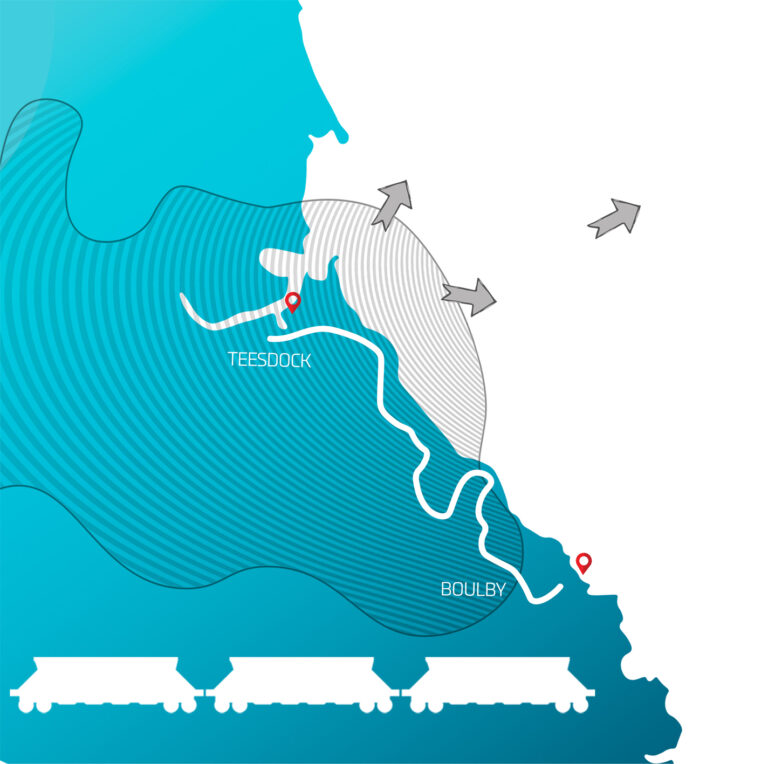
Trains depart daily from Boulby Mine for a 30 km trip, carrying Polysulphate, PotashpluS, and rock salt. These products are stored in various facilities throughout the Tees Valley area, including Teesdock terminal, Cobra, and Ayrton, before being loaded onto ships or HGVs for export to customers in the UK and worldwide.
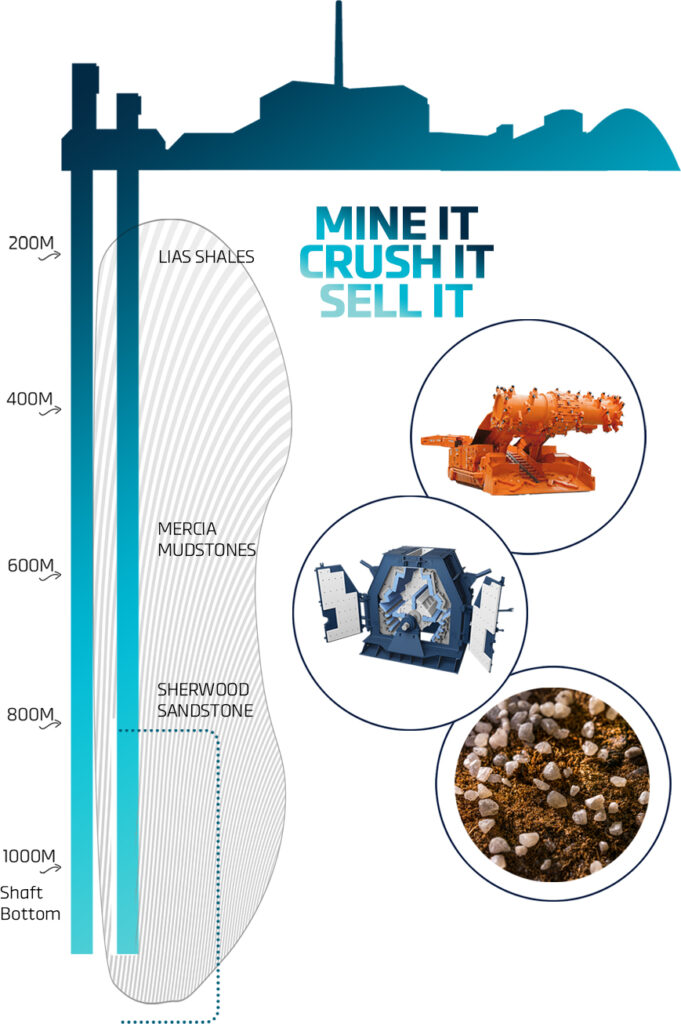
UK’s deepest mine
Boulby mine extends to depths of about 1,300 meters, ranking it the deepest in the UK. Its expansive underground network covers roughly 120 square kilometers, offering a substantial area for the extraction of valuable minerals. Notable among these are polyhalite, a fertiliser rich in sulphur, potassium, magnesium, and calcium, as well as rock salt, which is utilised for de-icing and as animal feed.
Research
ICL UK is not solely focused on mining polyhalite and rock salt. Over the years, we have sponsored, funded, and hosted a range of PhD theses covering topics like ground surface deformation, excavation stability and design, as well as mining and microbial ecology.
Boulby Mine has become a unique case study for research and literature in these fields.We have conducted extensive observations and research regarding potash mining subsidence, with monitoring information detailed in the annual reports provided by Durham University. Additionally, we host Boulby Underground Laboratory, the UK’s deep underground science facility, managed by Professor Sean Paling and the Science and Technology Facilities Council.
This 1,100-meter-deep laboratory offers an exceptional environment free from natural background radiation, enabling a wide variety of low-background particle physics projects, including those seeking to detect Dark Matter. The lab also utilises the unique mine environment to facilitate studies into sustainable energy storage, carbon capture technologies, astrobiology, beyond-Earth habitation, and robotics testing.