
Polysulphate
We are the world’s first and only producer of Polysulphate In a world where populations are continually rising and the demand for food is ever-increasing, it’s essential to farm as efficiently and sustainably as possible. This is where Polysulphate comes into play.


Introducing Polysulphate
Polysulphate provides a consistent supply of high-quality nutrients which leads to higher yields and improved quality, which both farmers and food producers can benefit from economically. The natural mineral contains four nutrients, Sulphur, Potassium, Magnesium and Calcium which are all essential to the establishment and growth of any healthy plant or animal.
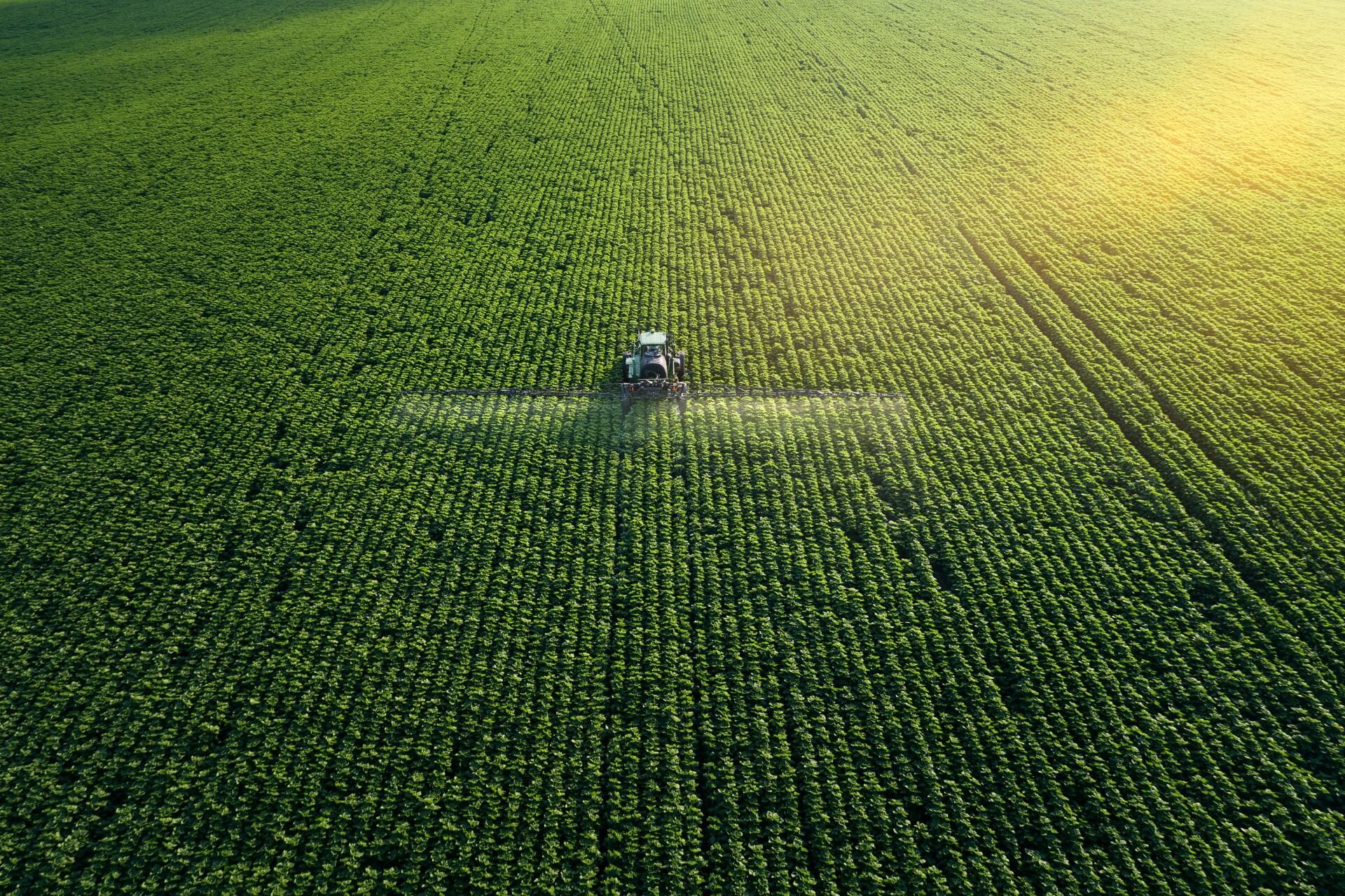
When Polysulphate reaches the farm, it is spread on the fields and the gradual release from the Polysulphate granules reduces nutrient losses through leaching and runoff. The prolonged nutrient release is a major advantage, especially in sandy soils and areas with high rainfall. Polysulphate is virtually a net zero fertiliser, far lower than competitive products in the market, and when replacing chemically produced Sulphur alternatives in crop production, is helping reduce ammonia emissions into the atmosphere by around 90%.
This is important because consumer trends are driving food companies to reduce their carbon footprint and produce more sustainable food. This is supported by government legislation driving the industry to farm more sustainably and encourage farmers to use more regenerative practices.
Polysulphate fits into the market as a sustainable low carbon fertiliser. By adopting Polysulphate, farmers are increasing their yields and profitability whilst helping food companies achieve their sustainability targets and maintain food security.
Boulby Mine's
Remarkable Journey
Cleveland Potash Ltd has been part of the community for over 50 years, contributing to the national economy through direct and in-direct employment as well as community funding, which supports non-profit organisations and charities.
On 19th February 1973, we mined our first potash ore. 50 years later, we are mining and refining a market-leading, low carbon footprint, organic fertiliser that feeds the world, as well as salt that is used for de-icing and is used as a component in animal feeds.
Low Carbon Fertiliser
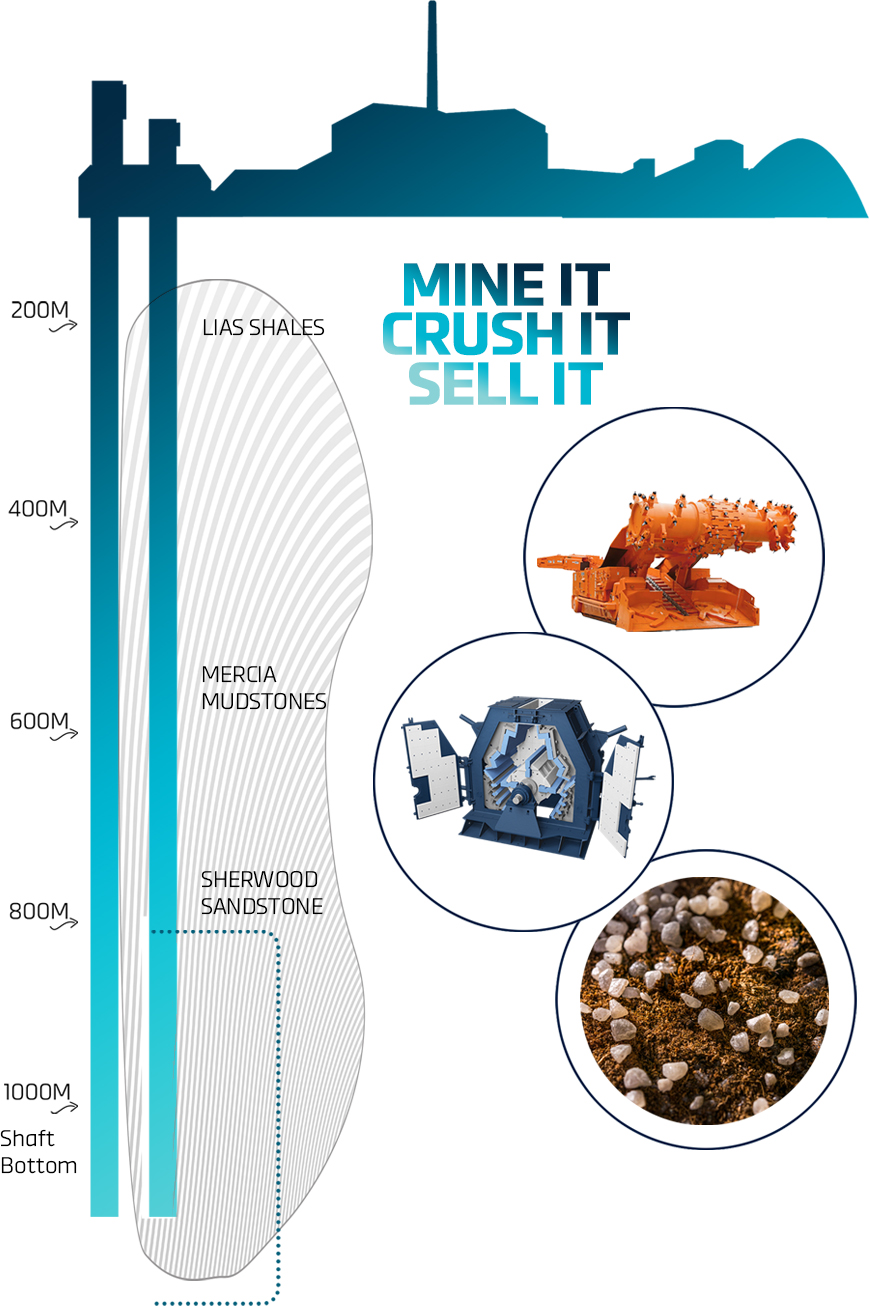
Polysulphate is a unique fertiliser which is mined from deep underground only here at Boulby Mine and nowhere else in the world. This mineral (Polyhalite) is located more than 1,200 meters beneath the Earth’s surface, specifically under the North Sea along the North-Eastern coast of England.
The natural mineral is almost entirely composed of four of the essential major nutrients used as fertilisers: potassium, magnesium, calcium, and sulphur. Not only does this rare mineral provide four major nutrients, but it also releases these into the soil over several weeks, matching the growing period of the plants so that they have a continuing supply of nutrients.
As well as minimal processing requirements, Boulby’s access to billions of tonnes of Polysulphate ore are accessed via the existing shafts from the previous potash mine, repurposed to mine the Polysulphate. Relatively little new energy has been required to create this unique Polysulphate mine and the production process uses increasing proportions of non-fossil generated electricity and effectively no fossil fuel.